December 19, 2025
Fencing is more than just a boundary marker—it enhances privacy, security, and the overall aesthetic appeal of a property. However, even the sturdiest fences require routine care to maintain functionality and appearance. Proper maintenance extends the lifespan of your fencing, whether it’s wood, vinyl, metal, composite, or chain-link. Implementing consistent upkeep strategies helps protect your investment while reducing costly repairs or replacements over time.
Understanding the type of fencing you have and adopting material-specific care routines ensures long-term durability. Each fencing material comes with unique strengths and vulnerabilities, making tailored maintenance critical for performance and appearance.
Understand Your Fence Material
Wood Fencing
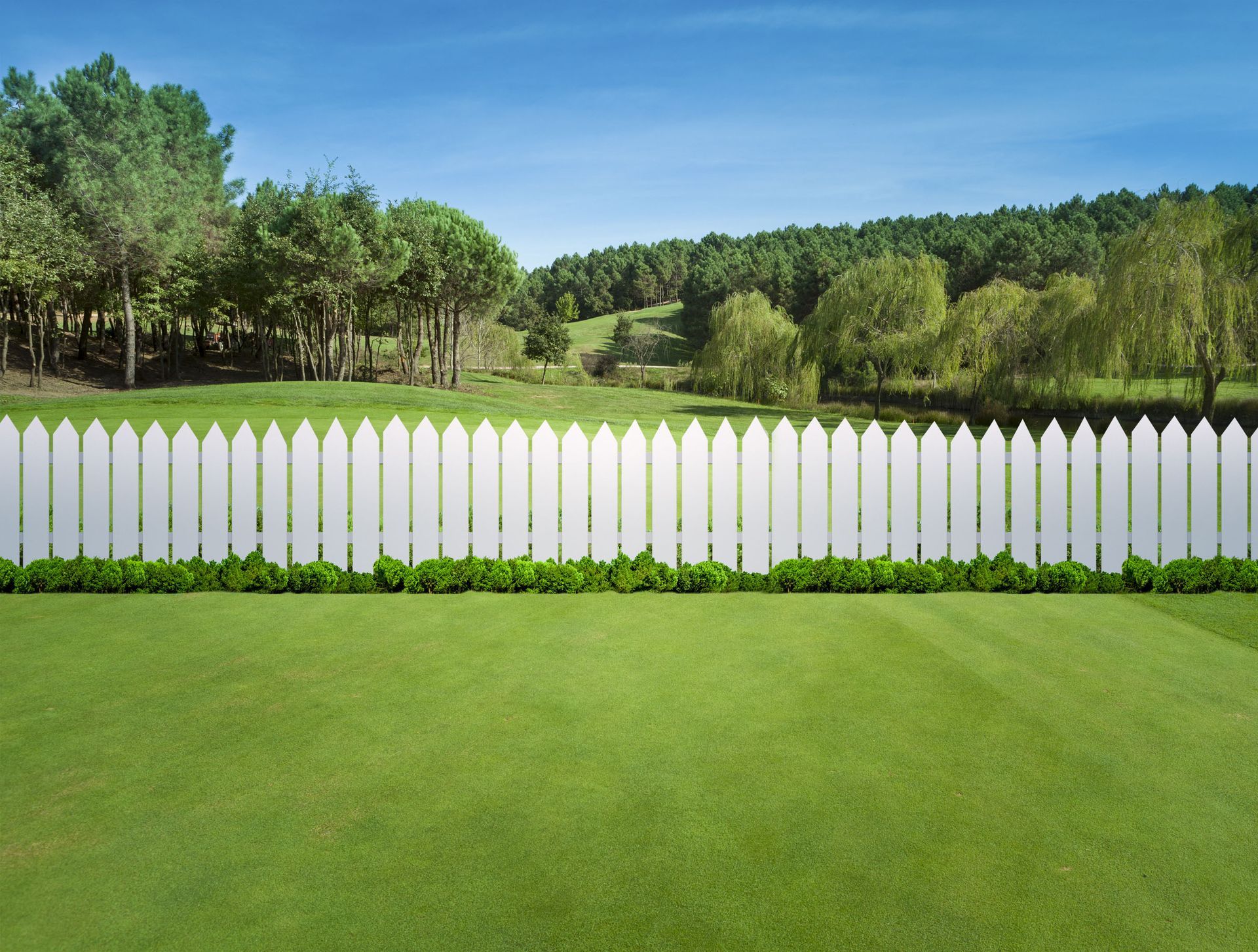
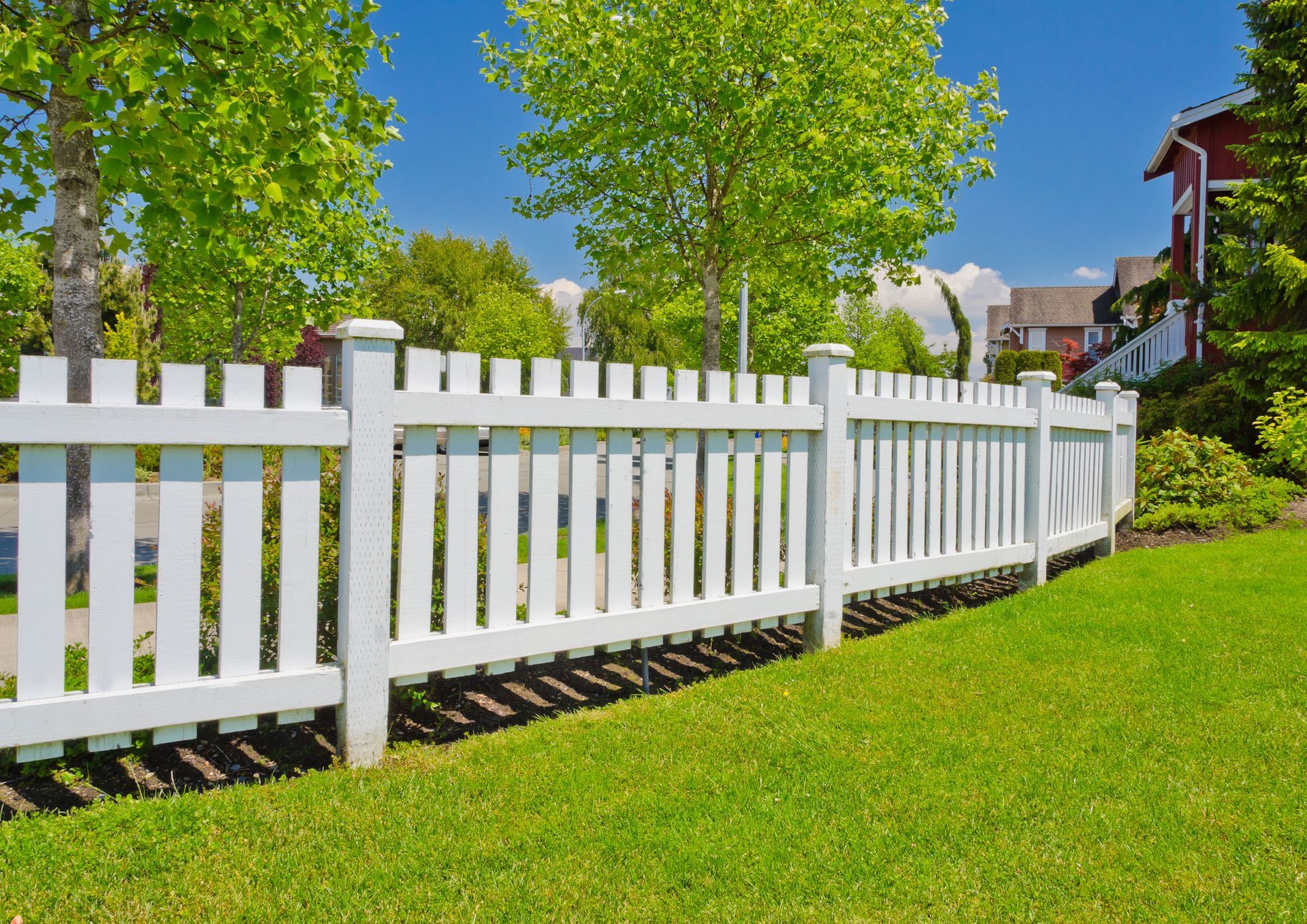
Wood fencing is prized for its natural beauty and versatility, but it is vulnerable to rot, warping, and insect damage. Knowing the wood type—such as cedar or pine—is essential, as each requires specific care. Regularly applying sealants protects wood from moisture and insects, while repainting or staining every few years maintains its structural integrity and appearance. Routine visual inspections for splitting or rotting allow you to catch small issues before they escalate. Planting shrubs or installing barriers can shield the wood from sun and water exposure, while keeping the base clear of debris ensures moisture dries quickly. Using rust-resistant nails and fittings further prevents damage to wooden fencing structures.
Vinyl Fencing
Vinyl fencing offers low maintenance and long-lasting performance. Unlike wood, it does not require painting or sealing, but it still benefits from regular cleaning to remove grime, mildew, and other residues. Choosing UV-protected vinyl ensures color retention and reduces fading over time. While initial installation costs may be higher, vinyl often proves more cost-effective due to reduced upkeep. Installing wind braces can reduce stress on long panels, while checking joints ensures the fence remains stable through seasonal expansion and contraction. Touching up scratches with matching paint can maintain aesthetic appeal. Even with vinyl’s resistance to mold and dirt, promptly addressing growth prevents lasting damage.
Metal Fencing
Metal fences, such as iron, aluminum, and steel, are durable but require vigilance against rust. Applying rust-resistant coatings and repainting every few years is essential, protecting both aesthetics and structural integrity. According to This Old House, reapplying these protective layers every few years is one of the most important steps to keep metal fencing looking new. Regular inspections for rust spots and immediate treatment are crucial for longevity. Minor rust can be sanded away before it spreads, and washing metal fences prevents debris buildup that encourages corrosion. Galvanized coatings add protection, but harsh weather can necessitate extra attention. Maintaining joints, bolts, and hinges ensures stability, while taut chain-link sections prevent sagging. Combining metal with materials like vinyl can offer additional durability and resistance. Proper installation from the outset reduces long-term maintenance challenges.
Composite Fencing
Composite fencing combines recycled wood fibers and plastic, offering a sustainable and low-maintenance alternative that mimics wood. It resists warping, splintering, and insect damage. UV inhibitors maintain color vibrancy, while occasional cleaning prevents dirt and algae buildup. Despite low maintenance, inspecting joints and fasteners is necessary due to expansion and contraction with temperature changes. Composite fencing remains robust against wind and impact, providing both security and aesthetic value. Occasional gentle scrubbing, especially in shaded areas prone to moss, ensures the fence maintains its visual appeal. Visual inspections for chips or gaps help identify minor issues before they escalate.
Chain-Link Fencing
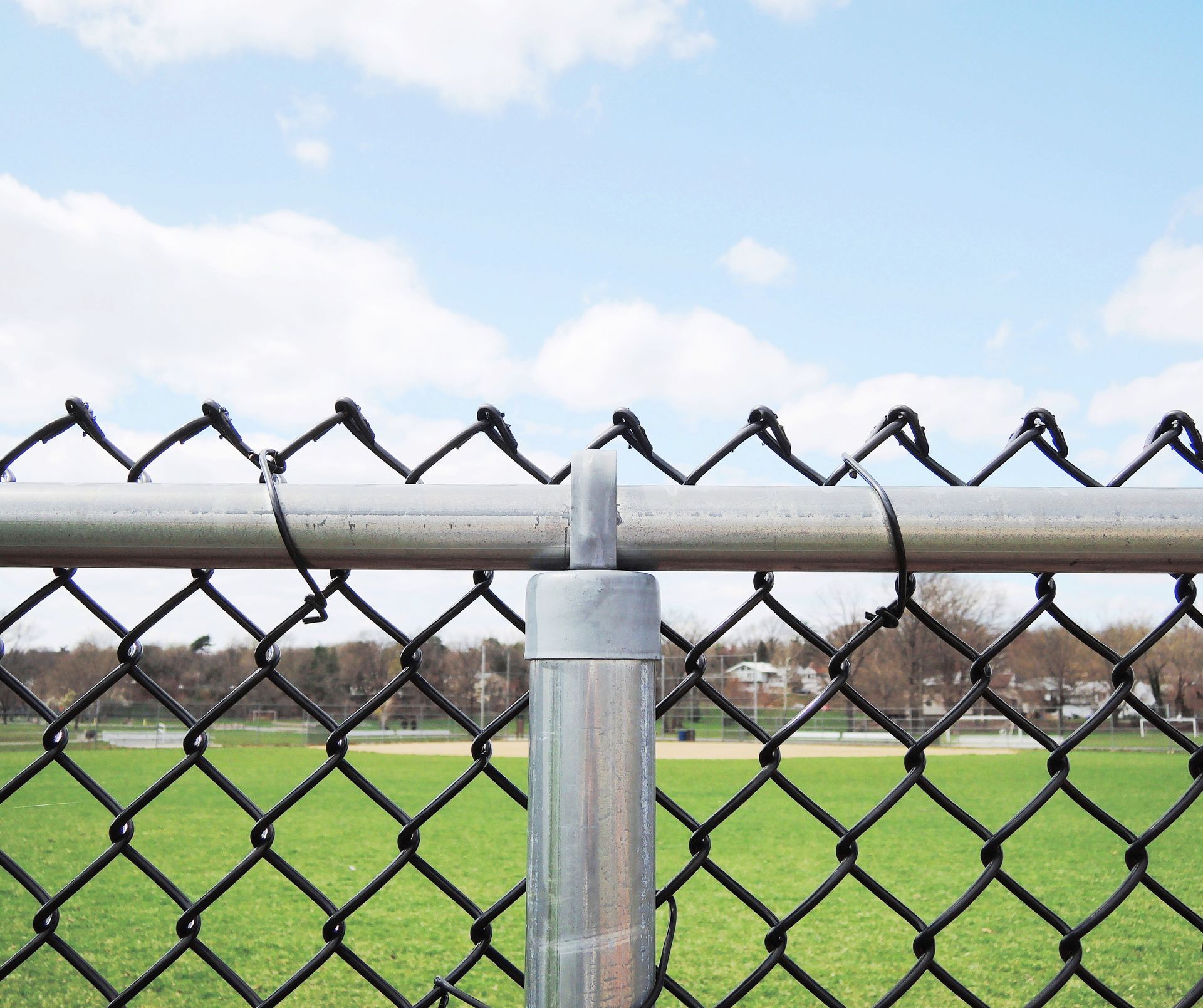
Chain-link fencing is economical and effective for security. Preventing rust is critical, particularly in humid or coastal areas. Galvanized coatings and vinyl coverings enhance durability, while prompt repainting of affected areas prevents further corrosion. Mesh design allows airflow, reducing moisture retention, and slats can be added for privacy. Maintenance involves inspecting mesh tension, gate operation, and connection integrity. Adjustments prevent sagging and maintain a taut barrier. Installing barriers against climbing plants and debris enhances longevity. While not as decorative as other materials, strategic landscaping integrates chain-link fencing aesthetically while preserving its practicality.
Perform Regular Cleaning and Inspection
Remove Dirt and Debris
Routine cleaning maintains both the appearance and function of fencing. Leaves, branches, and debris can trap moisture, accelerating rot and rust. Wood fences benefit from stiff brushes, while vinyl and composite can often be cleaned with a hose. Clearing debris at the base of the fence prevents foundational damage, and mulching can serve as a moisture buffer for wooden posts. Keeping the surrounding area trimmed improves airflow and reduces water accumulation.
Use Power Washing Techniques
Power washing removes tough dirt, moss, and algae but must be done carefully to avoid damage. Wooden fences require low pressure and wide spray patterns, while vinyl and composite tolerate higher pressures. Always rinse thoroughly and avoid detergent residue, which can attract dirt. Protect nearby plants and fixtures, and inspect the fence during washing to catch early signs of damage. Professional power washing may be worthwhile for larger properties or those lacking the right equipment.
Inspect for Damage and Wear
Seasonal inspections help identify problems early. Look for cracked vinyl, rust patches on metal, or rotting wood. Check posts, fasteners, and joints for stability, and ensure gates function smoothly. Trim plant growth around fencing to reduce weight and prevent pests. Addressing subtle signs like discoloration, swelling, or sagging prevents costly repairs and maintains fence longevity. Advanced tools, like infrared moisture detection, can reveal hidden issues before they worsen.
Identify Structural Weaknesses
Structural weaknesses can arise from poor installation, environmental stress, or wear over time. Examine fence posts for stability, note gaps or misaligned boards, and check joints for fatigue or rust. Composite and vinyl sections may need fastening adjustments due to temperature-related expansion. Proactively reinforcing weak areas prevents widespread damage and extends the fence’s lifespan. Documenting inspections helps track deterioration and plan timely repairs.
Implement Seasonal Maintenance Routines
Seasonal upkeep addresses environmental impacts year-round. In fall, remove leaves and debris to prevent moisture buildup, and prepare for winter by checking weak spots. Spring maintenance includes reapplying protective coatings and paint. Summer inspections focus on storm-related damage, and periodic power washing ensures cleanliness. Seasonal routines tailored to material type reduce long-term maintenance costs while preserving both appearance and functionality.
Protect Against Weather Elements
Waterproof Your Fence
Waterproofing shields fencing from moisture-related damage such as rot, rust, and mold. Apply sealants annually or as needed, ideally during dry conditions for optimal curing. Metal fences benefit from rust-resistant coatings, and wooden fences gain protection from oil-based primers or stains. Ensuring complete coverage and clearing surrounding vegetation enhances effectiveness. Properly angled tops encourage water runoff, while modern polymer-based treatments provide long-lasting protection.
Shield Against Sun and Wind
Sun exposure can fade wood and composite fencing, while strong winds may stress posts and panels. Shade structures, plants, or windbreaks help mitigate these effects. Vinyl and composite fences often resist sun damage better, but UV-protected materials maximize lifespan. Reinforcing posts and crossbars supports wind-exposed areas. Incorporating design elements such as flexible joints or wind braces ensures structural integrity during extreme weather.
Maintain During Extreme Seasons
Harsh winters can warp or crack materials, and heavy rains may destabilize posts. Regularly inspect fences for damage following extreme weather events. Apply additional protective coatings or temporary supports when necessary. Timely intervention prevents minor issues from becoming major repairs. Monitoring the impact of seasonal changes, particularly on metal and wooden fences, ensures that your fencing remains reliable and attractive throughout the year.
Proper fencing maintenance is essential for maximizing both lifespan and appearance. Understanding the material, performing regular inspections, cleaning, and protecting against weather ensures a fence remains secure, attractive, and functional. Implementing these expert strategies reduces costly repairs while enhancing property value. For homeowners committed to long-lasting fencing, we at Red Oak Fencing invite you to partner with us to apply these professional care practices and keep your fences looking and performing their best.